What Creators Can Learn From Like Father Like Son Cards & Breaks

Steven Picanza • February 12, 2026

Most people think this is a card business.

It’s not.


It’s a trust business that just happens to sell cards.


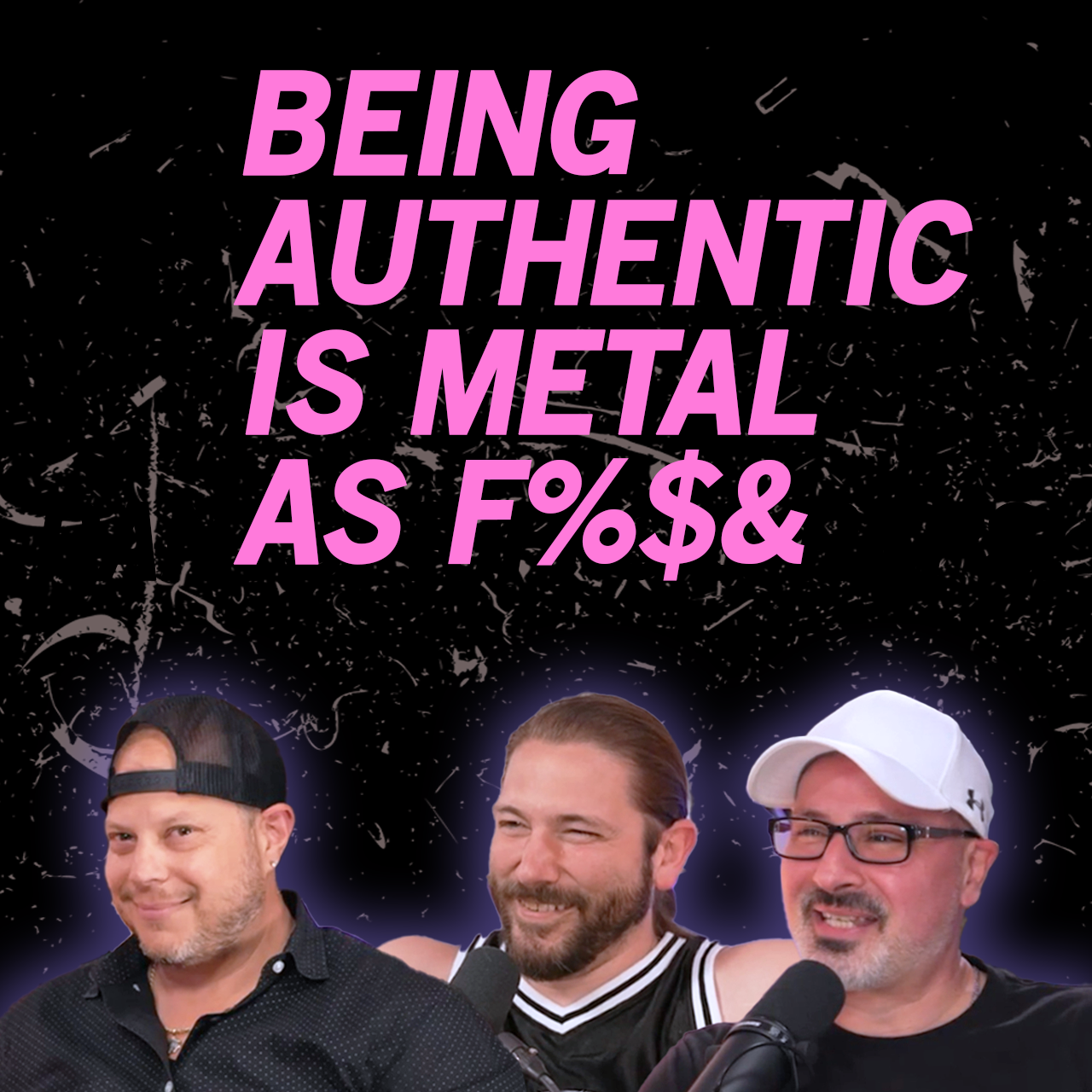
When Like Father Like Son Cards & Breaks came through NJ Content Studio, what unfolded wasn’t a story about collectibles, algorithms, or even live selling.


It was a story about family.  About starting over. About building something people believe in, not just buy from.


And that distinction matters more than ever.


From collapse to community

Before the streams. Before the Facebook group. Before seven figures.


Ryan Knowles was running a construction company that grew too fast, then collapsed just as fast. He was let go. The work dried up. Depression followed. His kids saw it all.


The reset didn’t come from a business plan. It came from his son.


Sports cards became the bridge. Something familiar. Something shared. Something that created a connection when everything else felt unstable.


That’s where this story really starts. Not with content.


With bonding.


Crawl before you walk (and go live anyway)

Their first live stream wasn’t polished. It wasn’t strategic. It wasn’t confident.


It was a cellphone. A white wall. And Ryan nearly throwing up before hitting “Go Live.” 🤮🤢


He hated it. Everyone else loved it.


That moment should feel familiar to creators. The first attempt is almost always the most uncomfortable. But discomfort is often the clearest signal that you’re early, not wrong.


We’ve seen this pattern before. With Vintage New Jersey, it was consistency over flash. With DarTheFoodGuru, it was personality over polish.


Same lesson. Different lane.


The private group is the real product

Most creators chase reach.

LFLS chased retention.


Early on, they built a private Facebook Group and guarded it aggressively. No negativity. No trolls. No behavior they wouldn’t want their kids to see.


That decision did more than protect the culture. It created a moat.


Algorithms change. Platforms wobble. But a private group with real people, real names, and real trust is defensible.


Remember, followers don’t fund businesses. Communities do.


Live selling collapses marketing and sales

On platforms like Whatnot and Instagram Live, Ryan isn’t just selling inventory. He’s narrating. Entertaining. Teaching. Parenting in real time.


That matters.


Live shopping feels less like e-commerce and more like theater. Performance meets product knowledge. Energy meets trust. Marketing meets sales in the same moment.


If you’ve ever wondered why a beautifully designed website still doesn’t convert, this is why.


Behind every creator is an operator

Ryan is the talent. Desiree is the backbone.


She manages the chat. The logistics. The packaging. The shipping. The handwritten notes. The Christmas cards. The systems that keep the magic from falling apart once the camera turns off.


One of the clearest lessons from this episode is simple.


“A great moderator is more valuable than better lighting.” Creators don’t burn out from creating. They burn out from running an unstructured operation.


Growth didn’t come from hacks. It came from relationships.


They didn’t buy ads. They didn’t chase trends. They showed up. Consistently.


Events. Card shows. Fanatics Fest. Collabs with local businesses. Conversations that turned into friendships that turned into momentum.

In seven months, they went from tens of thousands of views to over a million a month.


Not because of one viral clip, but because they built relationships at scale.


We saw this same dynamic with Skinny Joey’s Cheesesteaks. Growth follows trust. Trust follows consistency.


https://youtu.be/0WoYCmfsj_U


The real takeaway

This isn’t a story about cards. It’s about belief.


You don’t monetize attention. You monetize trust.

You don’t scale content. You scale culture.

You don’t build audiences. You build relationships.


Like Father Like Son didn’t build inventory. They built a place people want to return to, week after week, with their kids, their money, and their time.


And that’s the part creators should be paying attention to.


✌️🍕


Watch the full episode of Like Father Like Son Cards & Breaks on our Business Channel, and check out our previous conversations with Vintage New Jersey, DarTheFoodGuru, and The Philly Sports Guy for more real-world lessons on building creator-led businesses that actually last.
By Steven Picanza April 1, 2026
When we sat down with Jacob Fink, the creator behind Jacob Does Philly , we weren’t just talking about cheesesteaks and brunch spots. We were talking about systems. About geo-specificity. About turning a hobby into a business without losing the love for it. Because Jacob didn’t start with a master plan, he started because he was bored and new to the city. He kept hearing, “You’ve gotta check this out. You’ve gotta try that.” So he picked up a camera. Two birds. One stone. Explore the city. Record it. Here’s what creators can learn from how he turned that into something real. Local Is a Strategy, Not a Limitation A lot of creators think “local” means small, but Jacob treats it like leverage. Geo-specificity is HUGE for him. He’s not trying to go viral with a generic “Top 10 Burgers reel.” He’s posting: New openings in Philly Neighborhood-specific recs Restaurants people can actually walk into tonight That specificity creates intent, and intent converts. If you’re building in: A city A niche industry A specific audience segment Stop apologizing for it. Local doesn’t cap you, it compounds you. Short-Form Is a System Jacob’s not winging it. For a typical 3-minute piece, he’ll spend: 30–45 minutes planning 60 minutes recording 15–20 minutes editing That’s structure. But he keeps the location flexible. The food drives the opportunity. This is a huge distinction: Spontaneous energy mixed with structured execution. If you’re posting 5–6 times per week as he does, you can’t rely on vibes; you need a repeatable format. Native Tools > Fancy Tools Jacob records natively in TikTok and actually prefers TikTok’s editing timeline over CapCut. That’s important. Creators obsess over: Cameras Lenses Plugins Meanwhile, he’s proving that native tools are often enough. Distribution > production value. If the platform wants the content, it doesn’t care how expensive your software is. Brand Deals Are a Discipline Jacob limits paid ads to 3–4 per month because he refuses to let paid content crowd out organic content. That’s long-term thinking. He also, and take notes creators... Upsells one-off videos into 3-piece packages Actively reaches out to brands he likes Sends pre-canned scripts to initiate partnerships That’s not influencer behavior. That’s operator behavior. And here’s a big one... He never did paid amplification. For him, organic traction is a signal. Bots and forced reach are noise. Your Page Is Your Media Kit Jacob had a media kit. Once. He doesn’t really use it anymore. Why? Because engagement metrics change constantly and his page does the selling for him. If your profile doesn’t clearly communicate: Your niche Your consistency Your quality Your audience No PDF deck is going to save you. But all that said, I still think media kits are important. Switch It Up, On Purpose One of the smartest insights from the episode is that he intentionally mixes things up about 15% of the time. Familiarity builds trust. Deviation builds intrigue. His “Boner Forever” building video massively outperformed his usual content. It wasn’t food. It wasn’t typical. It was strategic deviation. Creators burn out when they repeat without variation. Creators plateau when they experiment without structure. The sweet spot is both. Movement Is a Hook Watch Jacob’s videos carefully. He’s always moving... Head tilts. Finger gestures. Camera movement on location. It’s subtle, but it holds attention. He also deliberately says: “Follow for more Philly food content” early. That’s not accidental. It’s conditioning. Hooks aren’t just what you say. They’re how you move. The Bigger Lesson Jacob isn’t the stereotypical Philly guy. First off, he's from Long Island. He had imposter syndrome early on, but he powered through. He didn’t wait to feel like an authority. He let consistency build authority for him. If you zoom out, his growth comes down to five things: Pick a lane. Build a repeatable format. Post consistently. Protect the ratio of organic to paid. Turn audience into assets, not just views. Food reels are easy. Building a local-first, ops-driven, event-backed, consulting-ready media brand is not. That’s the difference. If you’re a local creator trying to grow, this episode is mandatory. And if you’re a business thinking you need to “become a creator,” maybe the better question is: Do you need to be the face? Or do you need someone who already owns the feed? Watch the full episode on our YouTube channel .
By Producer NJCS March 26, 2026
Is Philly's food good enough to convince a New York transplant to stick around?! Of course it is! On this week's episode of The Creators Show, the guys sit down with Jacob of Jacob Does Philly to talk about his passion for food, his love of Philly culture and how he grew into a massively successful and entertaining creator who perfectly embodies what so many people already love about Philadelphia! With hosts John Bertino and Steven Picanza, and special guest Jacob Fink!
By Steven Picanza March 6, 2026
When we sat down with Chris Reck of Minnow Pond , we weren’t just talking about tarot; we were talking about systems. About search. About retention. About what it actually takes to build a channel that feeds itself. Chris has been on YouTube for nearly a decade. For the first four years, he was stuck at 40,000 subscribers. Then something shifted. He stopped “making videos” and started building a machine. If you're a creator trying to grow, here are the real lessons. Stop Chasing Viral. Start Owning Search. Most creators build for the feed. Chris built for the search bar. Instead of hoping a video hits the algorithm lottery, he leaned into programmatic content. Daily and weekly readings for all 12 zodiac signs. Predictable. Repeatable. Searchable. People aren’t scrolling aimlessly. They're searching. “Aries January 2026” “Gemini weekly tarot” “Scorpio love reading” That’s intent. That’s qualified traffic. If you’re in fitness, finance, real estate, B2B marketing, parenting, or literally anything else, ask yourself: What is the thing people are already searching for, consistently, every month? Build around that. Specific Titles Win. Chris is obsessive about titles. Not clever. Not vague. Not poetic. Specific . He makes sure the title connects directly to the first few minutes of the video so viewers instantly feel they’re “in the right place.” That’s not clickbait. That’s alignment. He even openly acknowledges that negative titles often perform better. But the key is this... Clickbait is fine… if it delivers. The real metric isn’t clicks. It’s view duration. Retention Is Everything. When we dug into metrics, Chris didn’t hesitate. Average View Duration is king. Here’s how he keeps people watching: Great storytelling Getting to the point fast Not jumping around too much Episode Outline - Chris Reck Mi… He structures his videos around clarity and pace. No 90-second cinematic intro (although we sure love ours) No rambling. No fluff. Just signal. And here’s the interesting part: He believes calm content can outperform loud content. In a world of over-edited, dopamine-spiked, hyperactive videos, consistency and trust become the hook. Volume Doesn’t Mean Chaos. Chris publishes at a pace that would break most creators. Four videos per day at times. One take. Back-to-back. He even switches live using an ATEM mini to reduce post-production. But here’s the nuance: High volume only works when the format is locked in. He’s not reinventing the wheel each upload, he’s executing a repeatable system. That’s the difference between burnout and leverage. Monetization Isn’t What You Think. Chris doesn’t rely on brand deals. In fact, he believes brand deals often hurt growth if they’re not native and intentional. Instead, he monetizes primarily through: Long-form AdSense Digital education products A private mastermind-style community He pivoted away from trading time for money and into scalable education. That shift, operationally, is what separates creators from founders. AI Is a Tool. Not a Crutch. Chris does not use AI to write titles. He believes over-reliance will become a competitive disadvantage. But he does use AI to identify compelling moments in transcripts. That’s the sweet spot. Human intuition mixed with machine acceleration because creators who outsource thinking to AI will flatten. Creators who use AI to amplify thinking will compound. If He Started Today… One of the most powerful moments in the episode was this: If he were starting from zero, he wouldn’t chase trends. He would lock in a format. Build searchable content. Post consistently, and focus on titles before anything else. Not gear. Not viral editing. Not cinematic thumbnails. Just clarity and repetition. The Bigger Takeaway Chris Reck isn’t just a tarot reader. He’s running a vertically integrated media company built on: Search intent High retention Community identity Scalable monetization Sustainable systems The spiritual niche just happens to be his vehicle. And the unlock is that this strategy works anywhere. If you’re a creator stuck under 10,000 subscribers, ask yourself: Are you building art? Or are you building architecture? Because growth doesn’t come from inspiration. It comes from infrastructure. ✌️🍕 Watch the full episode of The Creator Show with Chris Reck from Minnow Pond on our YouTube Channel. Check out our past episodes with Like Father Like Son Cards & Breaks , The Philly Sports Guy , and Mangia with Michelle .
More Posts